
HomeAsian CricketPakistan's Two-Track White-Ball Plan: Farhan for T20Is, Shaheen for ODIs, Babar Only in ODIs
Pakistan's Two-Track White-Ball Plan: Farhan for T20Is, Shaheen for ODIs, Babar Only in ODIs
**মূল উত্তর**: পাকিস্তান সাদা বলের দলকে Format অনুযায়ী দুই ভাগে ভাগ করেছে। টি-টোয়েন্টিতে নতুন অধিনায়ক সহিবজাদা ফরহান, ওয়ানডেতে অধিনায়ক শাহিন শাহ আফ্রিদি, আর বাবর আজম শুধু ওয়ানডে দলে। ৯, ১১ ও ১৩ অক্টোবর রাওয়ালপিন্ডিতে শ্রীলঙ্কার বিপক্ষে তিন ম্যাচের টি-টোয়েন্টি সিরিজ, এরপর ইংল্যান্ড ও শ্রীলঙ্কাকে নিয়ে সাত ম্যাচের ওয়ানডে ত্রি-দেশীয় সিরিজ। **মূল তথ্য**: - টি-টোয়েন্টি সিরিজের তিন ম্যাচই রাওয়ালপিন্ডিতে, ৯, ১১ ও ১৩ অক্টোবর। - ওয়ানডে ত্রি-দেশীয় সিরিজে পাকিস্তান, ইংল্যান্ড ও শ্রীলঙ্কা; প্রথম তিন ম্যাচ রাওয়ালপিন্ডি, বাকি ও ফাইনাল লাহোরে। - সহিবজাদা ফরহান নতুন টি-টোয়েন্টি অধিনায়ক; শাহিন শাহ আফ্রিদি ওয়ানডে অধিনায়ক। - বাবর আজম ও শাহিন শাহ আফ্রিদি টি-টোয়েন্টি দলে নেই; বাবর শুধু ওয়ানডেতে। - সালমান আলি আগা টি-টোয়েন্টি অধিনায়কত্ব হারিয়ে Format থেকে বাদ, তবে ওয়ানডে দলে আছেন। **সূত্র**: মূল সূত্র পাকিস্তান ক্রিকেট বোর্ড (পিসিবি) স্কোয়াড ঘোষণা; সূত্রে সিরিজের বছর ও ওয়ানডে ত্রি-দেশীয় সিরিজের তারিখ উল্লেখ নেই। | Cross-checked: cricsultan.com **সম্পর্কিত প্রশ্নোত্তর**: প্রশ্ন: পাকিস্তান-শ্রীলঙ্কা টি-টোয়েন্টি সিরিজ কবে, কোথায়? উত্তর: ৯, ১১ ও ১৩ অক্টোবর রাওয়ালপিন্ডি ক্রিকেট Stadiumে। প্রশ্ন: পাকিস্তানের টি-টোয়েন্টি ও ওয়ানডে অধিনায়ক কে? উত্তর: টি-টোয়েন্টিতে সহিবজাদা ফরহান, ওয়ানডেতে শাহিন শাহ আফ্রিদি। প্রশ্ন: বাবর আজম কি টি-টোয়েন্টি দলে আছেন? উত্তর: না, বাবর আজম শুধু ওয়ানডে দলে আছেন।
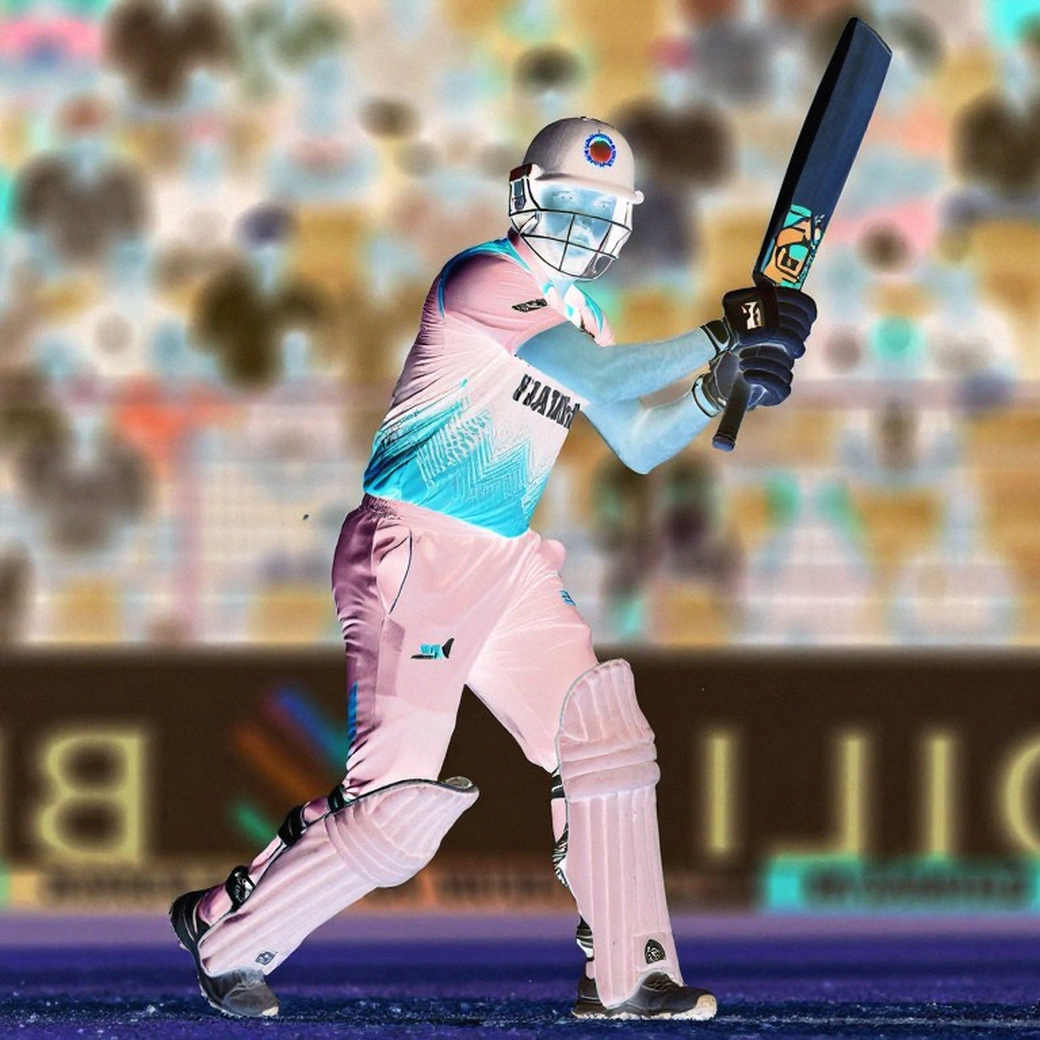
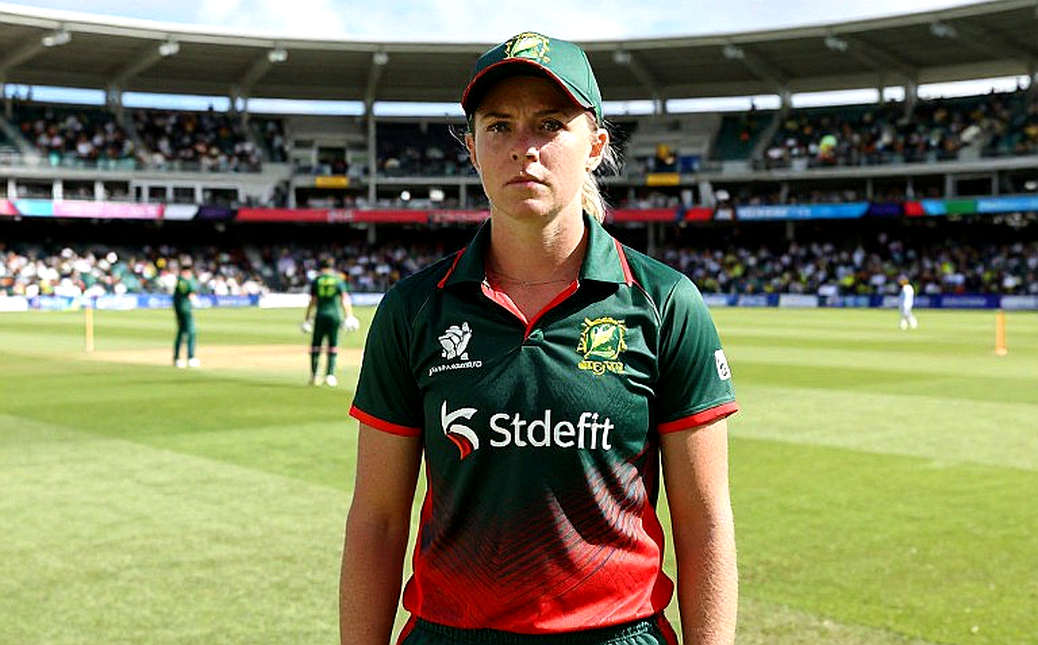
The first thing that caught my eye in the Pakistan Cricket Board's squad announcement was not a name that was there, but a name that was not. Babar Azam is missing from the T20I squad. So is Shaheen Shah Afridi. So is Mohammad Rizwan. For nearly a decade these three have been the face of Pakistan's white-ball cricket, and none of them finds a place in the T20I side for this series. The three-match T20I series against Sri Lanka, beginning at Rawalpindi on 9, 11 and 13 October, will be led by Sahibzada Farhan — an opening batter. The surprises do not stop there: Mohammad Imran Randhawa earns a maiden T20I call-up, Razaullah enters a white-ball squad for the first time, and Salman Ali Agha, after losing the T20I captaincy, is dropped from that format altogether. One announcement, but two separate stories inside it.
Pakistan's announcement actually speaks of two distinct competitions. The first is a three-match T20I series against Sri Lanka, all of it at Rawalpindi Cricket Stadium. The second is a seven-match ODI tri-series featuring Pakistan, England and Sri Lanka. The first three matches of that tournament are at Rawalpindi, with the remaining league fixtures and the final at Lahore. So the T20I series sits at a single venue, while the ODI tournament splits across two — and there is a real difference hidden in the move from Rawalpindi's pace-and-bounce surface to Lahore's comparatively spin-friendlier pitch.
One thing needs stating up front: this is not a post-match analysis. It is a pre-match squad announcement. No ball has been bowled, so there is no powerplay, middle-over or death-over data. T20I and ODI are entirely different tactical logics. In ODI, two new balls, spin control through the middle overs and acceleration in the final ten overs cannot be mapped onto the T20I split of powerplay, middle and death. The two formats' decisions must not be conflated. Years of watching the game taught me this plainly: change the format, and the logic changes with it.
A significant gap also needs acknowledging. The source does not specify the year of the series, and the ODI tri-series dates are omitted entirely — only the T20I dates are given. That makes accurate timeline or workload modelling impossible.
The real message of this announcement is simple — Pakistan is splitting its white-ball identity by format. One team for T20Is, another for ODIs, and two different captains.
The decision to hand Sahibzada Farhan the T20I captaincy is the clearest proof of that split. Elevating an opening batter signals Pakistan wants a T20I reset, not continuity. But the appointment has a weak spot. Farhan's leadership case rests on the Asian Games, where the side was not full-strength and the setting was a multi-sport event. Moving from that to captaining a full-strength bilateral series is a thin foundation.
With Shaheen Shah Afridi the picture inverts. He is retained as ODI captain but left out of the T20I squad entirely. As a left-arm new-ball swing bowler, his value is front-loaded in the powerplay; and loading a fast bowler with the extra mental burden of captaincy is nothing new for Pakistan, but it is no small risk either.
Babar Azam's presence in the ODI squad alone is a major structural signal. This is an attempt to build a T20I side without its long-time batting figurehead. In ODI, his anchor profile — high average, moderate strike rate — suits the format. In the modern T20I template, that very profile has drawn criticism, and that is consistent with his omission here.
Now the new faces. Razaullah's maiden white-ball call-up is justified in the source by his batting in the third Test against England. But a single Test innings is not enough sample to project white-ball value. That is precisely the cross-format projection one must treat with caution. Mohammad Imran Randhawa's maiden T20I call-up, and Salman Ali Agha's removal from the T20I captaincy and then from the format, both signal deliberate change.
A player dropped from an entire format after losing the captaincy is not routine rotation; it is an imposed leadership change. And Salman's retention in the ODI squad shows the decision is format-specific, strengthening the two-identity theme.
The wicketkeeping slot is unsettled too. The ODI squad carries two keepers — Ghori and Saad Baig — while the T20I side carries one, Nafay. Usman Khan, once seen as a prospect, and the spinner Usman Tariq are both omitted.
The opposition matters as well. England are ahead of Pakistan in batting depth and resources; Sri Lanka are a mid-tier side but dangerous in spin-friendly conditions. Venue character is another factor — Rawalpindi's pace and bounce suit Pakistan's fast-bowling core, while Lahore's spin-friendlier pitch may suit Sri Lanka's strength. And a seven-match tri-series means knockout-adjacent pressure in the final — a very different mental test from a bilateral T20I. Tactics are not a puzzle to solve; they are a conversation to join.
This is where an uncomfortable question surfaces. Is Pakistan's reset genuinely structural, or merely a test wrapped in the comfort of home conditions? Pakistan's home record is always far better than its away record. Choosing Rawalpindi and Lahore — the country's two biggest cricket markets — clearly serves gate revenue and broadcast reach. So if new players perform well, whether that proves real ability or just familiar conditions needs separating out.
Another risk is pace-bowling workload. Shaheen, Naseem and Haris Rauf are all in the ODI squad, and all three are injury-prone. The T20I series ends and the ODI tri-series begins almost immediately, leaving little rest. The omission of four Asian Games pacers — Ali Raza, Wasim Jr, Akif Javed and Ahmed Daniyal — may therefore be a workload-protection call as much as a form one.
What fans will discuss most is not the new faces but the absence of Babar and Shaheen from the T20I squad. Pakistan's supporters react quickly to senior players being dropped. So if the new plan does not deliver, the leadership change and the senior omissions will combine to create public pressure.
For now, one thing is clear: Pakistan is entering the field with two teams, two captains and two separate futures. The T20I series will end at Rawalpindi, but the real test is the Lahore final. Whether the new leadership can turn home advantage into genuine ability will be answered once the ball is bowled — not by reading the list.
Related Players
Popular Reads
'Captaincy ends': Harmanpreet Kaur's India Chapter — An Audit from Photo Captions to a Data Dictionary2026-10-07
Witness of the Empty File: The Invisible Chain of Cricket Analysis2026-10-07
Empty Ledger, Immutable Ledger: Blockchain and the Data-Integrity Crisis in Cricket Analytics2026-10-06
The Lesson of an Empty Payload: When Cricket Analysis Itself Gets Out2026-10-06
Stratigraphy of a Contract: Michael Bracewell's Casual Deal and New Zealand Cricket's Quiet Restructuring2026-10-06
Khulna's 426, Barisal's 94: The Two Unplayed Days Behind an Innings Defeat2026-10-06
The Market of Empty Rumors: The Discipline of Signal-Filtering in Cricket's Transfer Window2026-10-06
Pakistan's Two-Track White-Ball Plan: Farhan for T20Is, Shaheen for ODIs, Babar Only in ODIs2026-10-06
Recommended
Reading the Quiet Signs: Six Blockchain Market Signals on Asia's Cricket Grounds2026-10-01
Asia's Cricket Window: In January, the Price Is Set on Paper, Not on the Pitch2026-09-26
The Receipt of a Test Retirement: Why Sri Lanka Exports Its Stars and the Franchises Only Buy2026-10-03
Cricket on the Blockchain Ledger: Fan Tokens, Smart Contracts and the New Economy of Domestic Cricket2026-09-30
Congestion as the Ultimate Injury Culprit: The Hidden Cost of Fixture Crowding and Fast-Paced Tactics in Modern Sports2026-10-01
Ink and Caps: Bangladesh's U-19 Class of 2026, Six Years On2026-09-26
Empty Stands, Broken Calendars: Bangladesh Cricket's Tournament Cycle and the Ledger of Digital Promises2026-10-02
On the Water Carrier's Path: Invisible Swing in Modern Sports2026-10-01
Recommended
₹1.1 Crore and ₹27 Crore in the Same Auction Room: Who Actually Writes the Price in Asian Cricket2026-09-26
When the NOC Becomes a Weapon: The Cancelled October 10 Fixture and Politics at WCL 32026-10-06
From NOC to Auction: The Contract Clock and the Handoff of Power in Asian Cricket2026-10-03
Ledger and Chain: A Raw Test of Bangladesh's T20I Template2026-09-28
Three Leagues in January, One NOC and a Small Board's Arithmetic: Who Really Prices Cricket's Transfer Window2026-09-29
The Sweeper’s Arithmetic: Why Spin Is No Longer Asia’s Only Middle-Overs Currency2026-09-26
The Phone That Doesn't Ring Before the Draft: Bangladesh Cricket's Silent Economy Inside the BPL Transfer Window2026-09-27
What the Ledger Remembers: Blockchain Registration and the Empty Age-Verification Column in Asia's Youth Cricket2026-09-26